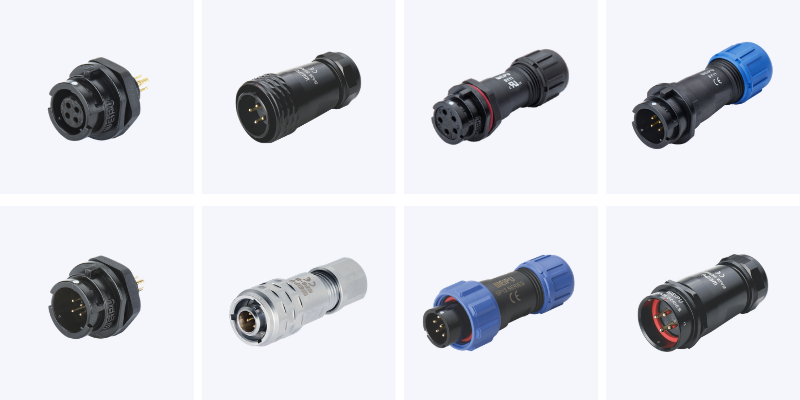
Across New Zealand and Australia, many types of systems operate in challenging environments. Agricultural applications, renewable energy systems, environmental monitoring devices, and other field-deployed equipment are often exposed to dust, moisture, vibration, and constant outdoor use.
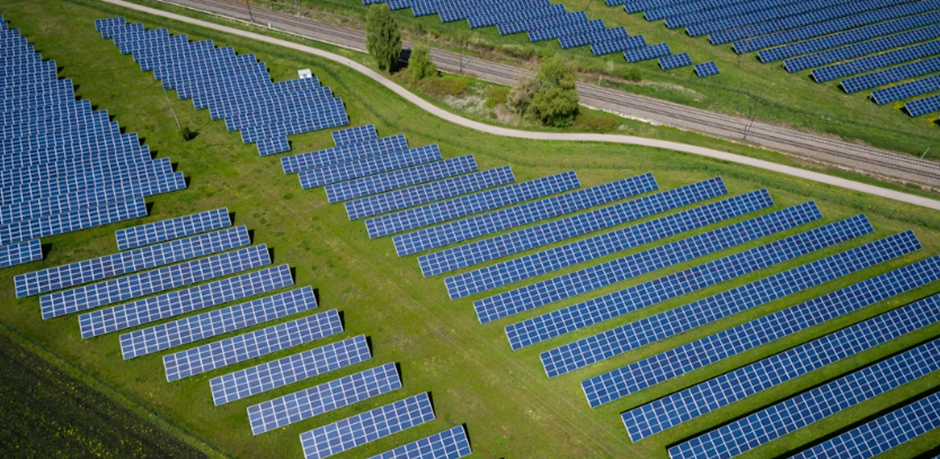
Under these conditions, reliable electrical connections become critical to the system's overall performance. Circular connectors are widely used because they offer durable construction, secure locking mechanisms, and strong environmental protection.
However, in many real-world projects, selecting the connector itself is only the starting point. Engineers and designers often discover that building a reliable connection system involves more than simply choosing a connector from a catalogue.
Cable lengths may need to be customised, wiring assemblies may need to be prepared for easier installation, and the connector interface must integrate smoothly with the overall equipment design. This is where the conversation often moves beyond selecting individual components and toward building a complete connectivity solution.
In this article, we explore why circular connectors are widely used across many applications and how combining standard connector platforms with customised connectivity solutions can help support real-world projects.
Understanding Circular Connectors
Circular connectors are widely used across industries because they provide a compact, dependable interface for transmitting power, signals, and data, particularly in sectors such as agriculture, renewable energy, transportation, and environmental monitoring, where reliable electrical connections are essential.
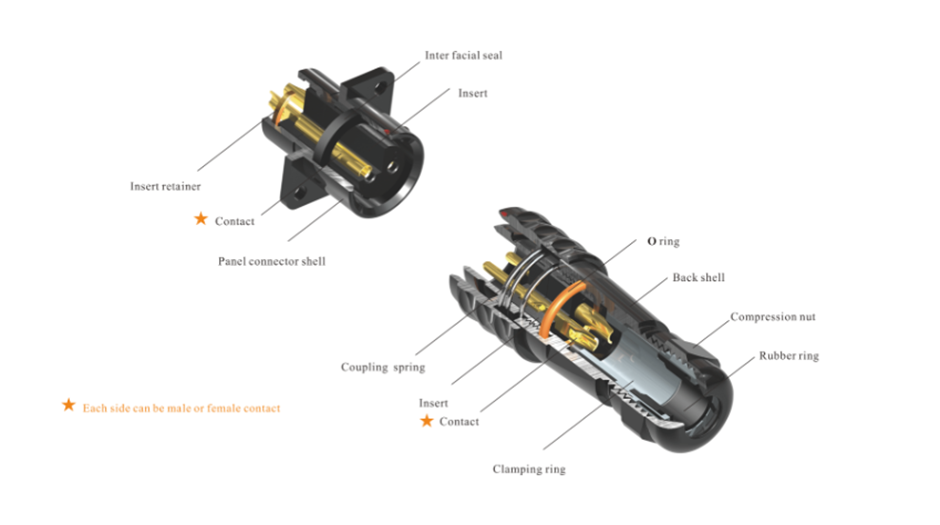
They typically feature secure locking mechanisms that help prevent accidental disconnection, even in systems with vibration or movement. Their robust construction allows them to withstand harsh operating conditions, while their compact form factor simplifies integration in space-constrained environments.
Another advantage is the availability of multiple pin configurations and connector sizes. This allows engineers to select options that match the system's electrical requirements, whether the connection needs to carry power, transmit signals, or support both.
Once a suitable connector series has been selected, engineers still need to consider how it will integrate with cables, wiring assemblies, and the system's overall design. At this point, the focus often shifts from selecting individual components to ensuring the entire connectivity system works effectively within the final equipment.
The Challenges of Integrating Connectors into Real Projects
Integrating connectors into real projects often raises additional questions around cable compatibility, wiring configuration, and system layout. Cables must be compatible with the connector specifications, and the required cable length needs to match the physical layout of the equipment. In some cases, cable assemblies may need to be pre-configured in advance to simplify installation and reduce time spent on-site.
In many projects, connectors, cables, and other components are sourced separately. While this approach can work, it can also introduce additional complexity. Engineers may need to coordinate multiple suppliers, verify compatibility between components, and ensure that assemblies are prepared correctly for installation.
Rather than treating connectors as isolated components, many engineers find it beneficial to approach connectivity as part of a broader system. Considering how connectors, cables, and wiring assemblies work together can help improve reliability, simplify installation, and reduce integration challenges during production and deployment.
This broader perspective often makes a significant difference when moving from design to real-world operation.
From Individual Components to Complete Connectivity Solutions
The goal is not simply to source individual connectors, but to ensure that the entire connectivity system functions reliably within the final equipment. This requires considering how connectors integrate with cables, wiring assemblies, and other electrical components.
The connector manufacturer offers a wide range of configurations, allowing engineers to select options that suit the electrical and mechanical requirements of their equipment. Different pin layouts, locking mechanisms, and connector sizes provide flexibility during the design stage.
However, once a connector has been selected, the next step often involves integrating it with the rest of the system. This may include designing suitable cable assemblies, preparing wiring harness solutions, or adapting the connection setup to match the installation environment of the equipment.
At Active Components, we work with engineers and businesses across New Zealand and Australia to support projects that require more than just standard parts. Rather than focusing solely on supplying individual components, we work with customers to understand their project's challenges and identify suitable connectivity solutions that address both the equipment's technical requirements and practical constraints.
This approach often involves combining reliable connectors with customised cable assemblies or wiring harness solutions that simplify integration and product development. Coordinating these components together can reduce the complexity that arises when connectors, cables, and assemblies are sourced from multiple suppliers.
Active Components works with trusted manufacturers such as Weipu to provide reliable circular connector solutions for a wide range of systems. When combined with customised cable assemblies and supporting components, these connectors enable engineers to build connectivity solutions that better suit the specific requirements of their projects.
Example Application – Supporting Equipment in Agriculture and Field Systems
Across New Zealand and Australia, many types of equipment operate outdoors and rely on electronic systems to support sensing, control, and communication functions.
In these systems, connectors are often used to link sensors, control units, power sources, and communication modules across different parts of the equipment. Circular connectors can provide a reliable electrical interface, helping ensure signals and power are transmitted securely between components.
For applications exposed to outdoor environments, connector durability becomes particularly important. Sealed circular connectors, such as the IP68-rated SP series, are designed to help protect electrical connections from dust, moisture, and harsh weather conditions. With features such as UV resistance, temperature tolerance, and support for power, signal, or hybrid connections, these connectors are well suited for equipment used in field environments.
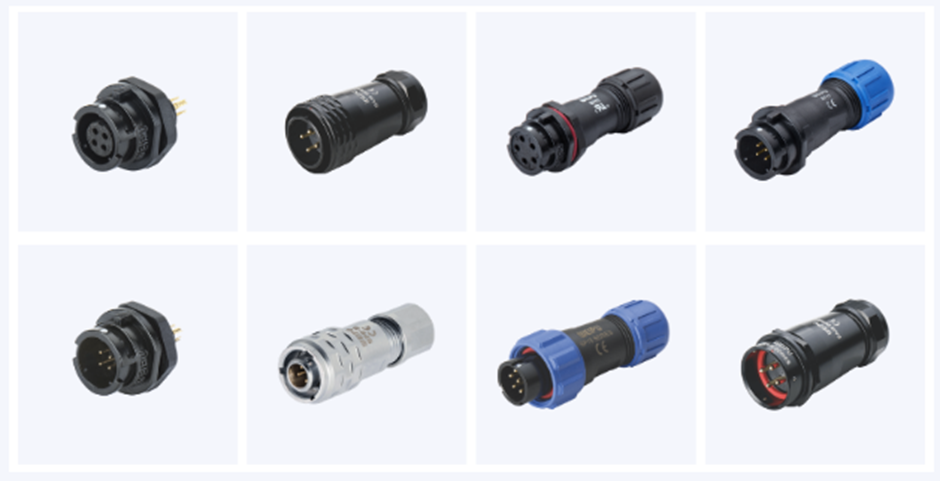
When combined with customised cable assemblies or overmoulded cable solutions, these connectors can also simplify installation and improve reliability across the entire system.
Although agriculture provides a clear example, similar requirements appear in many other types of equipment, including renewable energy systems, monitoring devices, and other field-based electronic systems where dependable connectivity is essential.
Supporting Projects Across New Zealand and Australia
Active Components supports engineers and equipment manufacturers across New Zealand and Australia by helping deliver reliable connectivity solutions for real-world projects.
With more than 40 years of industry experience, our team works closely with customers to understand the practical challenges behind each application. This allows us to help identify suitable components and supporting solutions that contribute to effective system design, integration, and long-term reliability.

Understanding project requirements early
We work with customers to understand the connectivity requirements of their systems and help identify practical approaches from the early stages of a project. By supporting component selection and integration planning, engineers can streamline sourcing and reduce the complexity of coordinating with multiple suppliers.
Access to trusted global manufacturing partners
Active Components works with established global manufacturers to provide access to a wide range of connector solutions and supporting components. This allows engineers and equipment manufacturers to source reliable products that are widely used across different applications and industries.
Addressing Project Challenges
Product development often involves more than selecting the right components. Environmental conditions, installation space, cable routing, power requirements, and system integration can all affect system reliability. At the same time, teams must consider sourcing availability, cost efficiency, and long-term supply stability.
Active Components works with customers to review these broader project considerations. By discussing application requirements, operating environments, and supply needs, we help identify suitable component options and supporting solutions that align with both technical and commercial requirements.
This approach helps engineers and equipment manufacturers address potential challenges earlier in the project, streamline sourcing, and develop more practical and cost-effective system solutions. By combining technical support, global supplier partnerships, and reliable regional supply, Active Components helps engineers simplify sourcing and develop connectivity solutions that work in practice.

